The Firefly
By Eren Ertem
Forest Fires by Alex Morosanu
The Rainforest by Sam Lowry
By Eren Ertem
Forest Fires by Alex Morosanu
The Rainforest by Sam Lowry
Pronotum: The part of the firefly that covers the head.
Elytra: A beetle's front wings which are hardened and used to protect the back wings.
Antennae: The part of the firefly used to "feel" or to detect the physical and chemical environment around it.
Legs: The firefly's legs are divided into the coxae, the femur, and the tibia
Lanterns: The pale organ on the ventral segments 6 and 7 of the abdomen that allow fireflies to light-up.
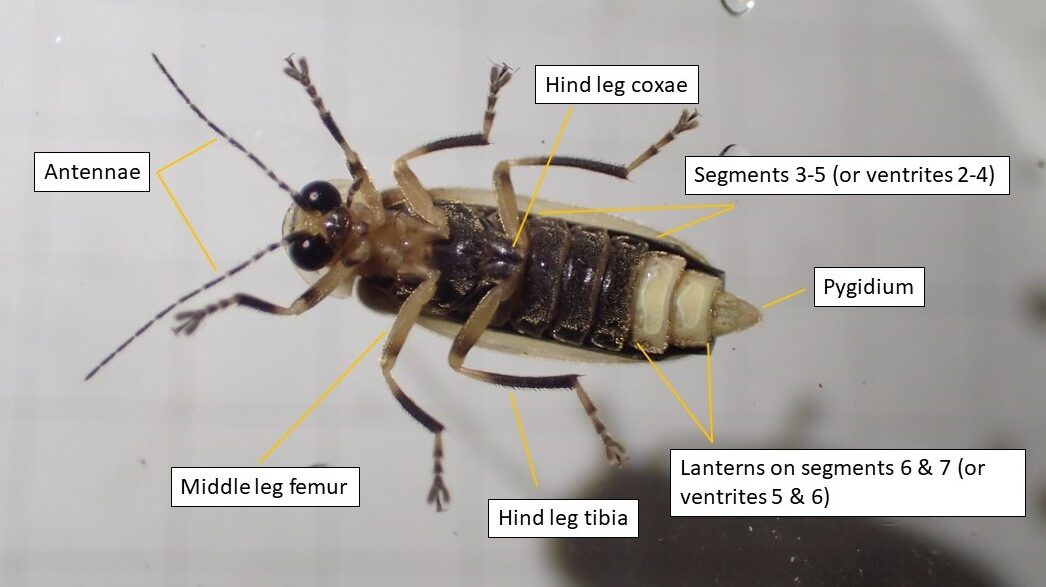
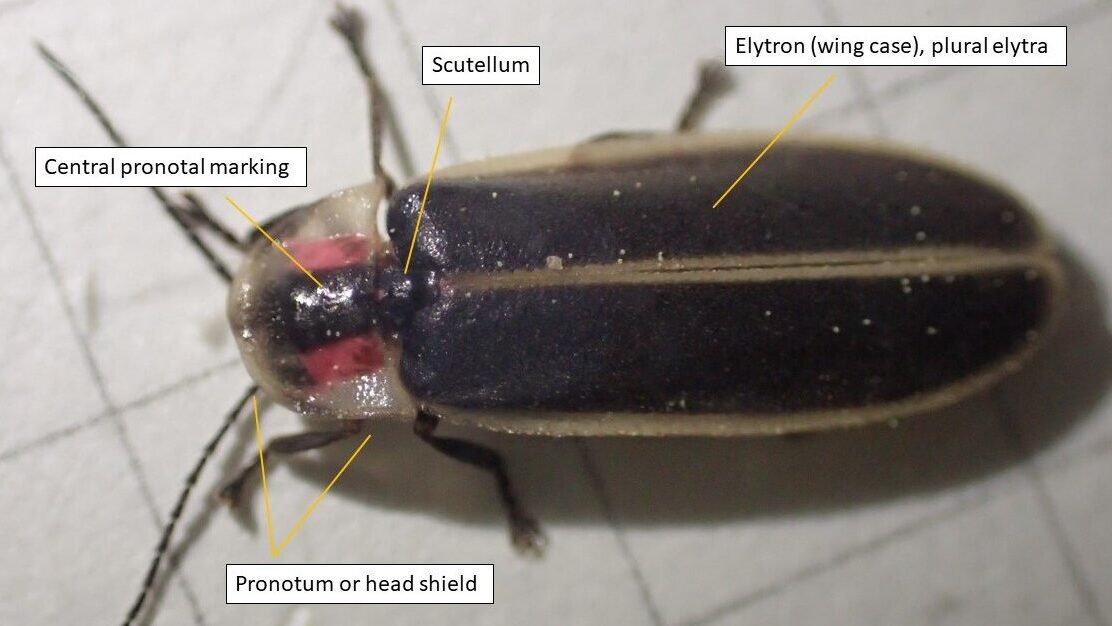
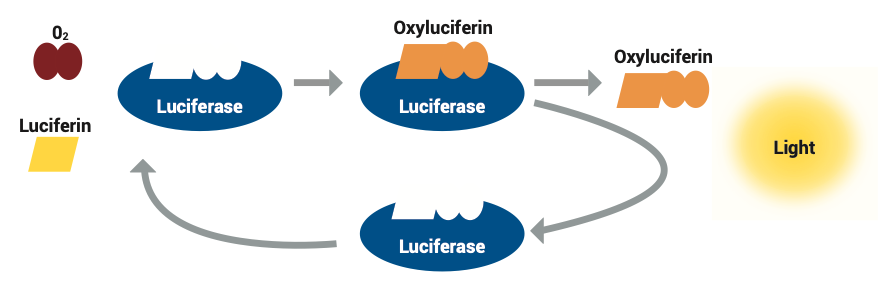
Inside the lanterns, O2 reacts with a molecule full of energy named luciferin. This reaction is highly efficient, and one of the best examples of the bioluminescence. It is believed that to create the mesmerizing pulsating patterns of flashes, fireflies regulate airflow to let more or less oxygen to react.
Antenae are long organs that are attached to the fireflies' heads and they are used, in some species, to detect pheromones for mating and to identify their physical and chemical environment. Their antennae are less developed than of other beetles because most species use their lanterns as the main organ for mating.
Lanterns for juveniles is speculated to have evolved to serve as deterrence to potential predators found in their biome. But for adult fireflies it serves a different purpose, mating. Male fireflies flash in disting patterns to attract females. But some species called dark firflies, don't have lanterns and don't produce light, instead they use pheromones and their antennae.
Firefly.org
[1] Firefly Atlas. (2023b, November 15). Firefly anatomy and flash Patterns - Firefly Atlas. https://www.fireflyatlas.org/learn/firefly-anatomy-and-flash-patterns
[2] Bodin, M. (2023, May 15). The illuminating science behind fireflies. Smithsonian Magazine. https://www.smithsonianmag.com/science-nature/illuminating-science-behind-fireflies-180982112/#:~:text=Their%20glow%20comes%20from%20an%20abdominal%20organ
%20called,interacts%20with%20a%20small%2C%20energy-packed%20molecule%20called%20luciferin
[3] Bucknell researchers first to document firefly pheromone. (2023, March 17). Bucknell University. https://www.bucknell.edu/news/bucknell-researchers-first-document-firefly-pheromone
[4] Kotz, Sean. (2017, April 25). The Parts of a Firefly Bug. sciencing.com. https://sciencing.com/parts-firefly-bug-8555263.htmL
[5] Baisas, L. (2024, July 30). A new theory on why fireflies glow—and why they need help. Popular Science. https://www.popsci.com/environment/why-do-fireflies-glow/
Click on the images to see their sources